Key takeaways
- The bathroom is where most falls at home happen, and most grab bars are installed after one, not before.
- The reasons people wait are understandable — looks, pride, cost, not knowing where bars go — and each has a straightforward answer.
- A grab bar is no more a sign of decline than a handrail on a staircase. Everyone uses the handrail.
- In DFW, one bar is $329 for the first bar, installed, with no deposit and usually within the week.
Falls are the leading cause of injury for adults over 65, and about one in four older adults reports a fall each year. The bathroom is the most dangerous room in the house for a simple reason: it combines wet, hard surfaces with the three hardest movements of the day — stepping over a tub wall, standing on one foot to wash, and getting up from a low toilet. A grab bar addresses exactly those moments. So why does almost everyone wait?
Reason 1: "It'll make my home look like a hospital"
This is the one we hear most, and ten years ago it was fair. Grab bars came in one look: thick, bright chrome, exposed screw flanges, screaming "medical."
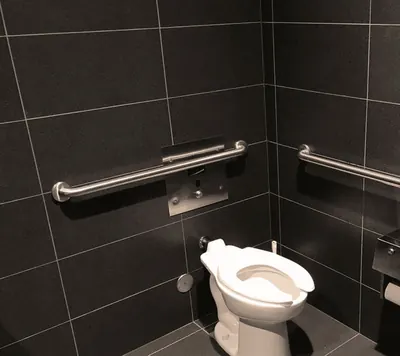
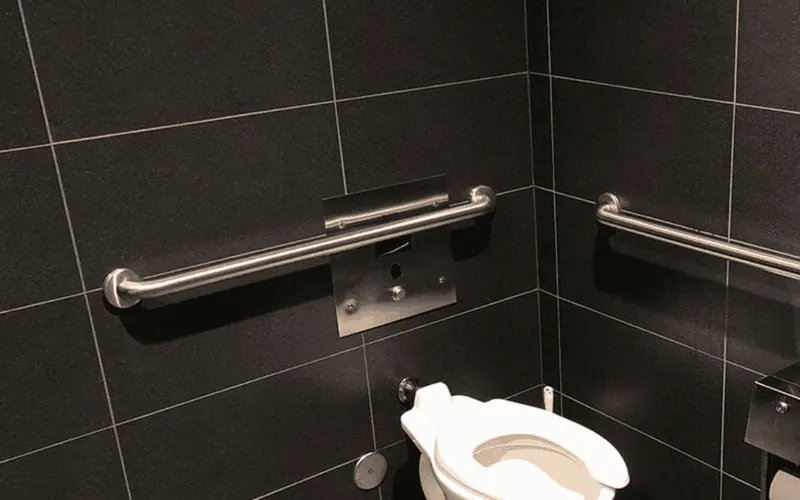
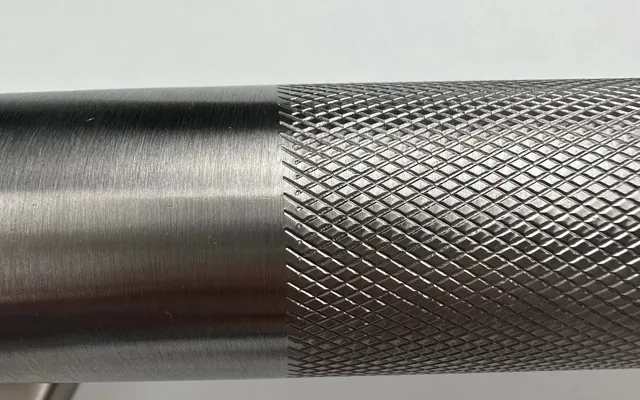
That isn't the product anymore. The bars we install are 1¼-inch 304 stainless steel with concealed flanges, in eight finishes: brushed, polished, peened, knurled, matte black, oil-rubbed bronze, brushed brass and white. A matte black bar in a bathroom with black fixtures reads as a design choice. A white bar on white tile all but disappears. A brushed bar matches the faucet. We wrote a whole piece on this — stylish grab bars that don't look like hospital equipment.
Reason 2: "I'm not there yet"
Nobody wants to install the thing that says "old." But think about where else we put fixed handholds: every staircase in every public building, the entry to every pool, the side of every bus. Nobody thinks twice about a stair rail. A grab bar is the same idea in the room where you're most likely to need it — and it's used by pregnant women, people coming home from knee surgery, kids climbing out of the tub, and anyone who has ever stepped onto wet tile in a hurry.
The other thing about "not yet": the first fall is often the one that changes everything. Hip fractures in older adults frequently lead to a long recovery and a loss of independence. The bar is cheapest, in every sense, when it's installed before it's needed.
Reason 3: "My son-in-law can put one up this weekend"
Sometimes he can. But a grab bar is only as strong as what it's fastened to, and the failures we're called out to fix follow a pattern: a bar screwed into drywall with the plastic anchors that came in the box, or a suction-cup bar that held fine for six months and then let go on a humid morning. Neither is designed to take a falling adult.
Professional installation means finding the studs first and fastening into them, and — on a tiled or stone wall where a stud isn't where the bar needs to be — using a fastener made specifically for grab bars rather than an ordinary wall anchor. It also means putting the bar where it's actually useful for the person, which is a judgment call that comes from doing it every day. If you'd rather supply your own bar, we'll install it for the same price.
Reason 4: "I don't know what it'll cost"
Home services have earned this worry: a vague quote, an in-home "consultation," a number that grows. So we publish the price and it doesn't change: $329 for the first bar and $299 for each additional bar in the same visit. That includes the bar in any finish and length, all hardware, the installation, a load test in front of you, and cleanup. There's no deposit; you pay when the work is done. If a wall can't safely take a bar where you want it, we'll say so before we drill, not after.
Reason 5: "I don't know where they should go"
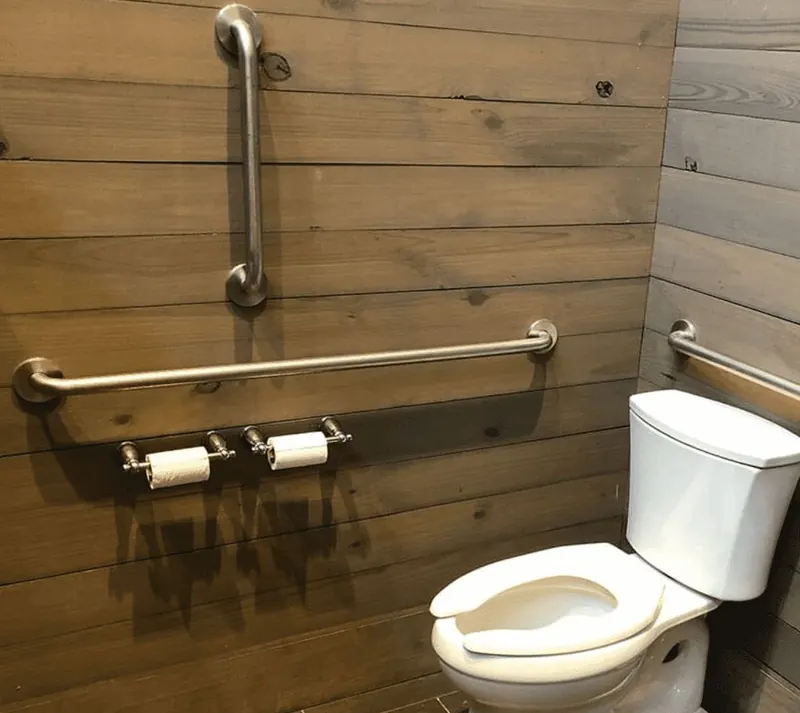
You don't need to. Every installation starts with a walk-through of the bathroom with the person who'll use the bars. We look at how they get in and out of the shower, which hand they reach with, how they stand up from the toilet, and we hold the bar in place before marking anything. Most homes need two or three bars: one beside the toilet, one on the shower's back wall, and a vertical one at the shower or tub entry. Our placement guide has the details if you want to read ahead.
If you're the adult child having this conversation
A lot of our calls come from sons and daughters, often from another city. A few things that help:
- Lead with the bathroom, not with aging. "The tub is slippery and I'd feel better with a bar there" lands differently than "you need help."
- Let them choose the finish. Turning it into a design decision restores some control.
- Start with one bar. The one beside the toilet or at the shower entry. Once it's there and it looks fine, the second and third are easy.
- Point to the handrail. Everyone uses the handrail on the stairs. This is the same thing.
What happens when you book
You pick how many bars and request a time online or by phone. We confirm the price and an arrival window. On the day, the walk-through and placement come first, then installation — usually 30 to 60 minutes per bar — then we load-test each bar in front of you, show you how to use it, vacuum up, and leave. Most installs happen within the week.
Common questions
How do I bring this up with a parent who doesn't want to hear it?
Talk about the room, not the person. "That tub wall is slippery" is a fact about the bathroom. Let them pick the finish, and start with a single bar. Once it's on the wall and looks fine, the resistance usually fades.
Is it worth it if they're steady on their feet today?
That's exactly when it's cheapest to do. A bar installed before a fall costs the same as one installed after, without the hospital stay in between. Everyone steady on their feet still uses the handrail on the stairs.
How long does the whole thing take?
Booking takes a few minutes. Most single bars are installed in 30 to 60 minutes, and a three-bar bathroom is usually done in under 90, including the walk-through and cleanup. We schedule most jobs within the week.
What if we only want one bar?
One bar is $329 for the first bar, installed. Beside the toilet or at the shower entry are the two most useful places to start. You can always add more later at the additional-bar price.
Decide before the fall does. No deposit.
Pick how many bars and request a time. We'll confirm the price and the next open slot — most installs happen within the week.